Water Removal Service in Wilmington, NC
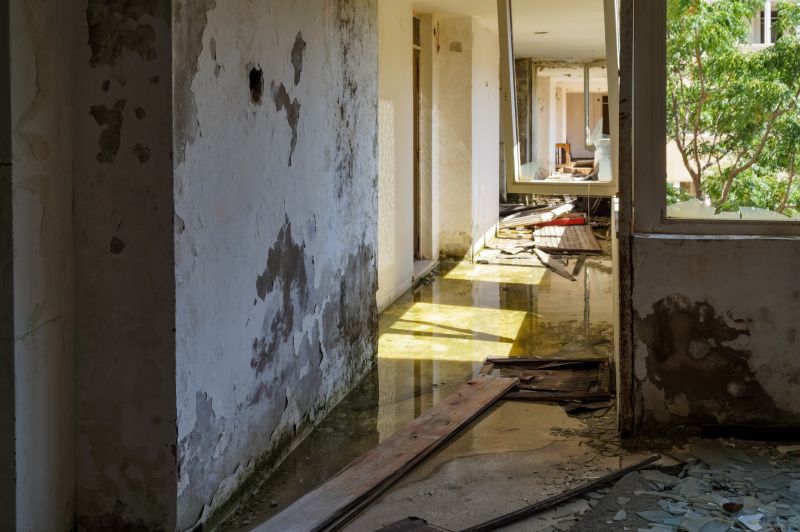
Water removal services involve extracting excess water from residential properties caused by flooding, leaks, or plumbing failures. This service is essential for minimizing water damage, preventing mold growth, and preparing a space for repairs or restoration. Projects can include water extraction from carpets, flooring, basements, and other affected areas. Homeowners typically seek water removal when faced with sudden flooding or persistent leaks that have resulted in standing water or damp environments needing prompt attention.
Before requesting water removal services, property owners usually want to understand the extent of the water damage, the areas affected, and the methods used for water extraction. It’s important to assess whether the water is clean, gray, or black, as this impacts cleanup procedures and health considerations. Clear communication about the scope of the project helps ensure effective removal and minimizes the risk of secondary issues such as mold or structural deterioration.
Many property owners in Wilmington, NC look into Water Removal Service for repairs, replacements, upgrades, and appearance-related improvements.
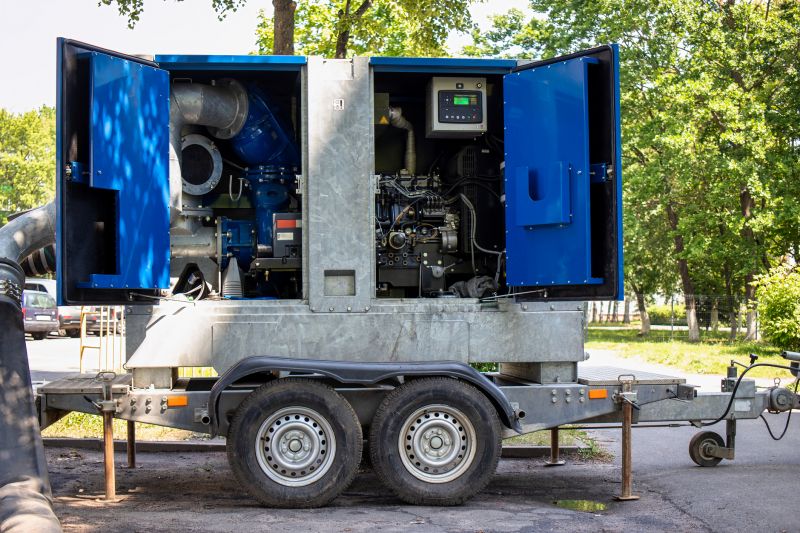
Emergency Water Extraction
Rapid removal of standing water helps prevent further damage and mold growth.
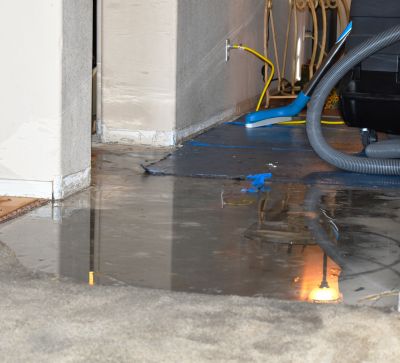
Flood Damage Restoration
Comprehensive drying and cleanup services restore properties affected by flooding in wilmington.
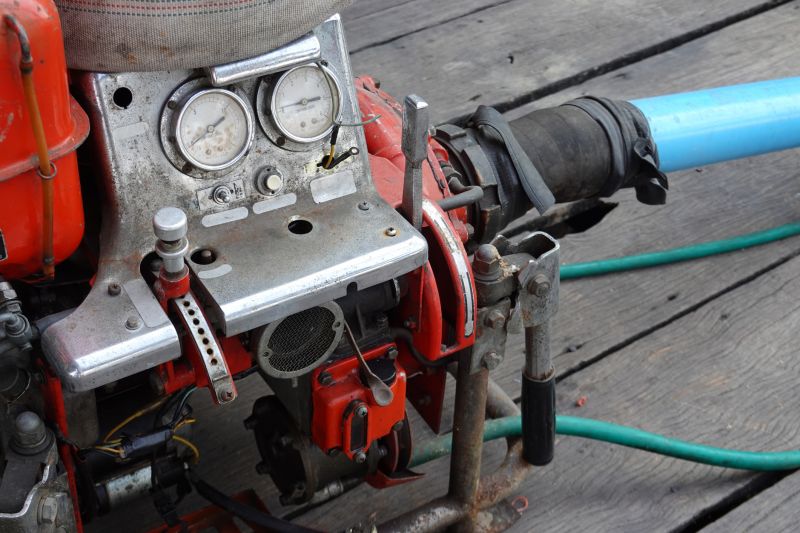
Leak And Pipe Burst Cleanup
Professional water removal addresses leaks and pipe bursts to minimize structural issues.
Water Removal Service in Wilmington, NC
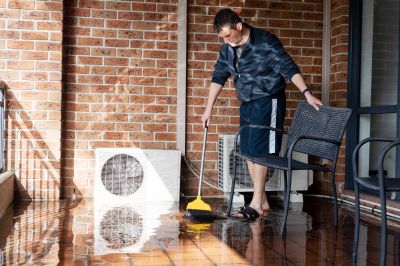
Water removal services involve extracting excess water from residential properties caused by flooding, leaks, or plumbing failures. This service is essential for minimizing water damage, preventing mold growth, and preparing a space for repairs or restoration. Projects can include water extraction from carpets, flooring, basements, and other affected areas. Homeowners typically seek water removal when faced with sudden flooding or persistent leaks that have resulted in standing water or damp environments needing prompt attention.
Before requesting water removal services, property owners usually want to understand the extent of the water damage, the areas affected, and the methods used for water extraction. It’s important to assess whether the water is clean, gray, or black, as this impacts cleanup procedures and health considerations. Clear communication about the scope of the project helps ensure effective removal and minimizes the risk of secondary issues such as mold or structural deterioration.
Many property owners in Wilmington, NC look into Water Removal Service for repairs, replacements, upgrades, and appearance-related improvements.
Common Water Removal Service Jobs
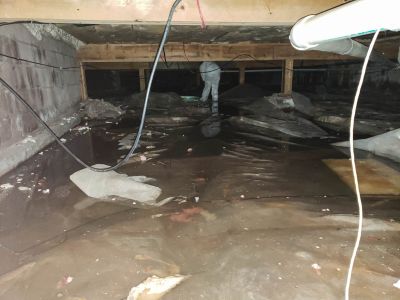
Water Extraction - removing standing water from flooded areas to prevent further damage.
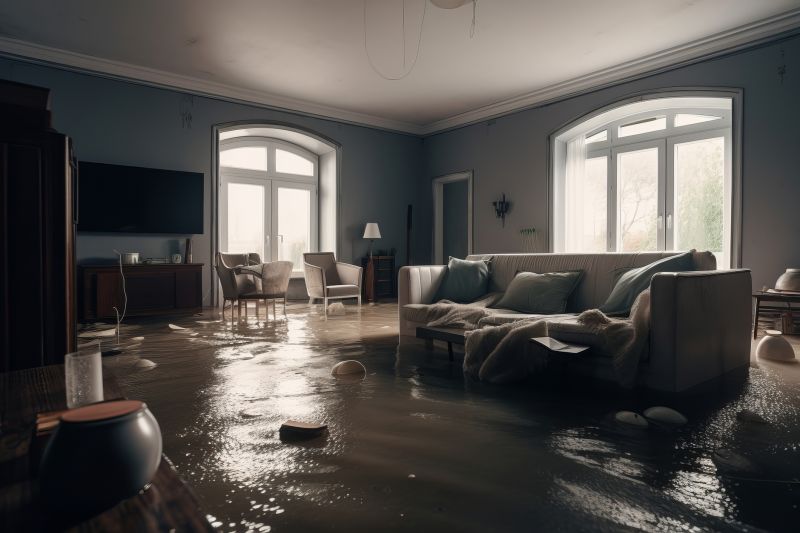
Flood Damage Cleanup - restoring properties affected by heavy rain or storm-related flooding.
Sewage Backup Removal - safely extracting contaminated water from sewage overflows.
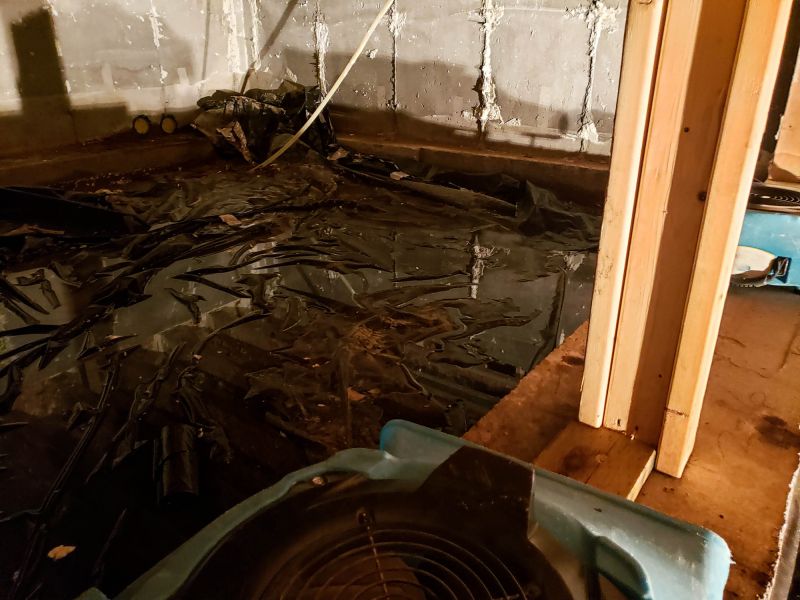
Basement Water Removal - extracting water from basements caused by leaks or heavy rainfall.
Appliance Leak Cleanup - addressing water damage from washing machines, dishwashers, or water heaters.
Storm Damage Water Removal - clearing water after severe weather events to protect property integrity.
Water Removal Service Questions
What causes water to need removal in a property? Water intrusion from leaks, flooding, or plumbing failures can lead to the need for water removal services.
What types of water removal services are available? Services include extraction of standing water from floors and carpets, and removal of water from walls and structural elements.
Why is prompt water removal important? Quick removal helps prevent property damage, mold growth, and further structural issues.
What areas do water removal services typically cover? These services are commonly performed in basements, kitchens, bathrooms, and any areas affected by water intrusion.
Request Water Removal Service in Wilmington, NC
Use the quote form on this page to share the basics of your project and request more information for the type of work you need.