Spring Flood Mitigation Solutions From Local Service Providers
Spring is the ideal time to connect with local contractors for emergency flood mitigation to protect your property and ensure peace of mind.
Spring is often considered an ideal time to focus on emergency flood mitigation because it marks the transition from winter to warmer weather, bringing increased rainfall and melting snow that can elevate water levels around properties. This seasonal shift can lead to unexpected flooding if preventative measures are not in place, making spring a strategic period for property owners to evaluate their flood defenses. Additionally, the relatively milder weather allows for more accessible and efficient work, reducing the likelihood of weather-related delays and enabling thorough assessments and installations of necessary mitigation systems.
Typically, flood mitigation services offered by local contractors include a range of measures designed to protect properties from water intrusion. These can involve installing or upgrading sump pumps, sealing foundation cracks, improving drainage systems, and constructing barriers such as levees or flood walls. Many service providers also offer assessments to identify vulnerabilities in a property’s existing defenses and recommend tailored solutions that address specific risks. The goal of these services is to reduce the potential for water damage, minimize flooding risks, and enhance overall property resilience during heavy rain events or rapid snowmelt.
Property owners interested in comparing local options for flood mitigation can benefit from reviewing the credentials and service offerings of nearby contractors. It is helpful to consider factors such as experience with similar projects, the scope of services provided, and the methods used to address flood risks. Asking for references or reviewing customer feedback can also provide insight into the quality of work and reliability of different service providers. By gathering information and evaluating the approaches of various local contractors, property owners can make informed decisions that align with their specific needs and ensure effective flood protection planning for the seasons ahead.
Compare local contractors to prioritize your emergency flood mitigation needs and find trusted service providers.
- Assess Flood Risks - Local contractors can evaluate your property to identify potential flood vulnerabilities.
- Implement Drainage Solutions - Service providers can install or improve drainage systems to direct water away from structures.
- Install Flood Barriers - Professionals can set up barriers and levees to help protect your property during heavy rains.
- Maintain Existing Systems - Local pros offer upkeep to ensure drainage and flood mitigation measures remain effective.
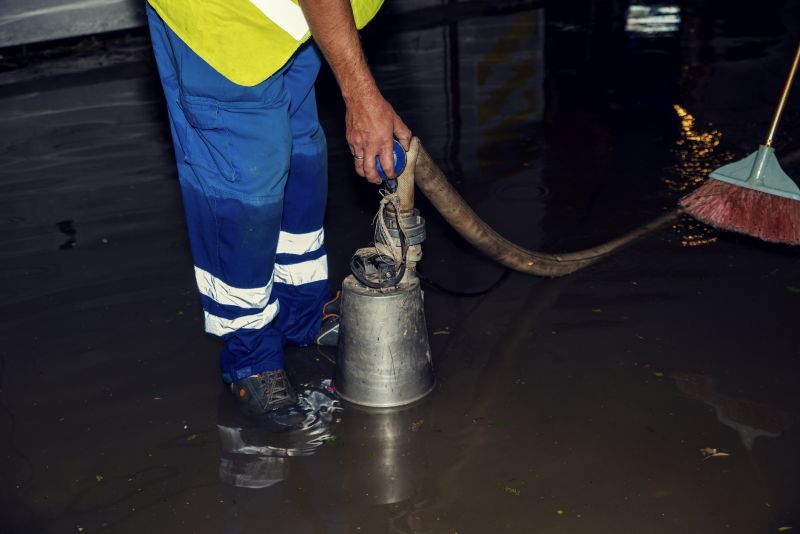
Spring is an ideal time to plan for flood mitigation by clearly describing your project before comparing local contractors' options.
- Inspect drainage systems - ensure gutters, downspouts, and storm drains are clear of debris to facilitate proper water flow.
- Assess property grading - check that the landscape slopes away from the foundation to prevent water accumulation near the structure.
- Examine flood barriers - verify the condition and placement of any existing flood barriers or sandbags to ensure effectiveness.
- Identify vulnerable areas - look for low spots or cracks in the foundation that could allow water intrusion during heavy rain.
- Maintain sump pumps - test sump pumps regularly and ensure backup power sources are available if needed.
- Clear outdoor drainage paths - remove obstructions from driveways, walkways, and yard drains to promote unobstructed water runoff.
Use this to explore ideas and connect with local contractors experienced in emergency flood mitigation.

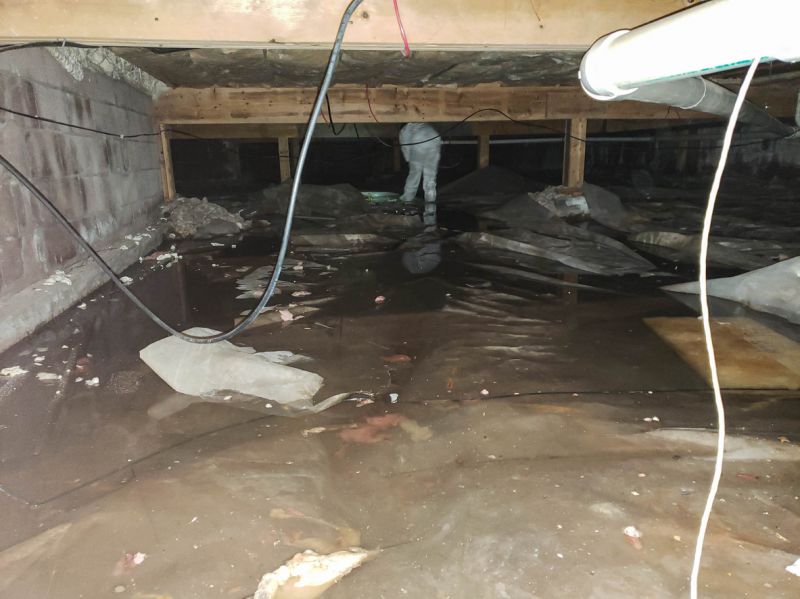
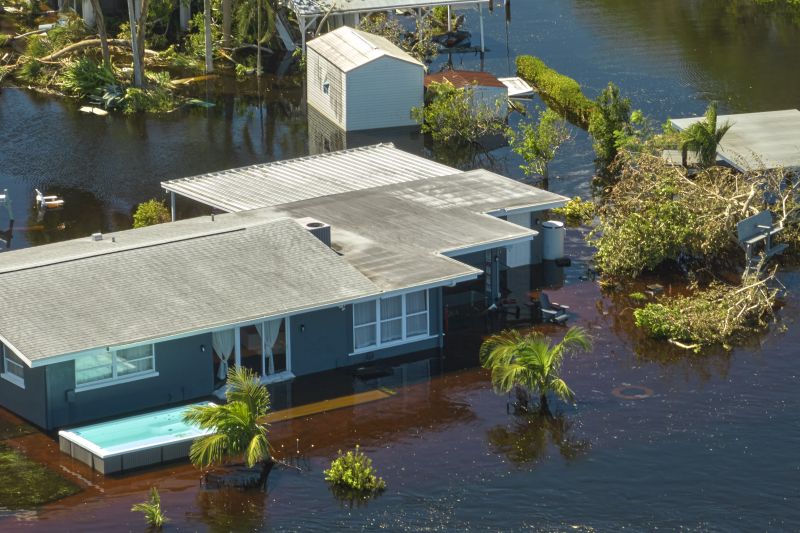
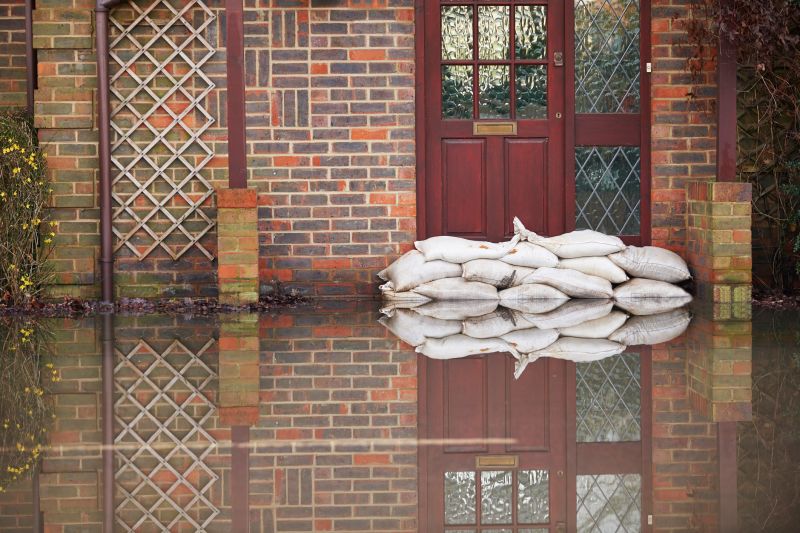
Prioritize your flood mitigation needs and compare local contractors to find the best fit for your spring project.
- Install flood barriers - local contractors can help set up temporary or permanent barriers to redirect floodwaters away from properties during spring storms.
- Improve drainage systems - service providers can assess and enhance existing drainage to prevent water accumulation and reduce flood risk.
- Clear and maintain gutters and downspouts - local pros can ensure that drainage paths are free of debris to facilitate proper water flow during increased spring rainfall.
- Construct or reinforce levees and berms - experts can assist in building or strengthening levees to protect vulnerable areas from rising floodwaters.
- Develop flood emergency plans - local contractors can help create effective strategies for flood response and water management tailored to seasonal conditions.
Compare local contractors' emergency flood mitigation services to find consistent options that meet your spring preparedness needs.
- Assess flood risk areas - identify regions vulnerable to flooding based on local topography and historical data.
- Determine flood barriers needed - specify types and sizes of barriers or levees suitable for the property.
- Evaluate drainage systems - review existing drainage infrastructure for capacity and potential improvements.
- Identify water diversion options - consider channels, pumps, or other methods to redirect floodwaters effectively.
- Select appropriate materials - choose durable, weather-resistant materials for flood mitigation structures.
When selecting service providers for emergency flood mitigation during the spring season, it’s important to consider their experience with similar projects. Local contractors who have handled flood-related emergencies in comparable settings are more likely to understand the specific challenges posed by seasonal weather patterns and terrain. Evaluating their past work can provide insight into their ability to manage urgent situations effectively and adapt to the unique demands of springtime flooding.
A clear and detailed written scope of work is essential when comparing different options. Service providers should be able to outline the specific tasks involved, the methods they plan to use, and the materials or equipment required. This transparency helps ensure that all parties have a shared understanding of the project’s scope, reducing the potential for misunderstandings or overlooked details during the mitigation process.
Work planning considerations are crucial for effective flood response. Local pros should demonstrate an understanding of site-specific factors, such as drainage patterns, property layout, and potential access issues. They should also be able to discuss how they prioritize safety, coordinate with other contractors if needed, and plan for contingencies during the spring season when weather conditions can change rapidly. A well-considered plan can help ensure the mitigation efforts are timely and efficient.
When evaluating options, it’s helpful to review the experience and expertise of each service provider, paying close attention to the clarity of their project scope and their planning approach. Asking questions about their familiarity with local flood risks and their methods for managing seasonal challenges can provide valuable insight. Ultimately, choosing a provider with a proven track record, clear communication, and thoughtful planning can help ensure the emergency flood mitigation is handled effectively as part of spring season preparations.
Request written details to ensure the scope of flood mitigation work remains clear and consistent with spring planning.
- Scope Comparison - What specific flood mitigation services do local contractors offer for spring preparedness?
- Service Scope - How do different providers define the extent of flood mitigation work they can perform?
- Equipment and Methods - What types of flood barriers and drainage solutions do local service providers typically include in their scope?
- Seasonal Planning - How do local contractors tailor flood mitigation strategies to address springtime weather patterns?
- Provider Specializations - What are the key differences in scope among local flood mitigation service providers?
What are effective flood mitigation strategies for spring? Local contractors can implement measures such as installing barriers, improving drainage systems, and sealing foundation cracks to reduce flood risk during the spring season.
How can I prepare my property for spring flooding? Service providers can advise on clearing debris from gutters, elevating electrical systems, and creating proper drainage pathways to help protect your property from spring floods.
What signs indicate my property is vulnerable to spring flooding? Local experts can assess factors like low-lying areas, poor drainage, and proximity to water sources to identify potential flood risks on your property.
Are there temporary solutions to manage spring floodwaters? Yes, local contractors can install temporary flood barriers, sandbags, and sump pumps to manage unexpected or rising floodwaters effectively.
How often should flood mitigation measures be maintained in spring? Maintenance schedules can vary, but regular inspections and upkeep of barriers, drainage systems, and seals are recommended by local service providers during the spring season.
What spring-specific considerations should be taken into account for flood mitigation? Local professionals often recommend preparing for snowmelt runoff, heavy spring rains, and ensuring drainage systems are clear to handle seasonal water flow effectively.
Spring is an ideal time to prepare for potential flooding by exploring effective emergency flood mitigation options. Visitors have learned how local contractors can help implement strategies to protect properties and minimize damage during heavy rains. By comparing different local service providers, homeowners can find solutions tailored to their specific needs, ensuring a proactive approach to flood preparedness.
Using the quote form to connect with trusted local contractors enables individuals to explore their options conveniently and efficiently. This process provides a clear way to evaluate available services and find the right professionals to handle emergency flood mitigation efforts. Taking this step can help ensure that necessary measures are in place to safeguard homes and properties when spring storms arrive.
Providing clear details about your emergency flood mitigation needs helps local contractors understand your project and connect you with suitable service providers.
- Flood Barrier Installation - share information about the types of flood barriers or barriers installation needs.
- Drainage System Improvements - describe the current drainage setup and any concerns about water flow or blockages.
- Property Elevation Services - outline any elevation or grading work planned to reduce flood risk.
- Waterproofing and Sealing - detail areas of the property that require waterproofing or sealing to prevent water intrusion.