Storm Remediation in Wilmington, NC
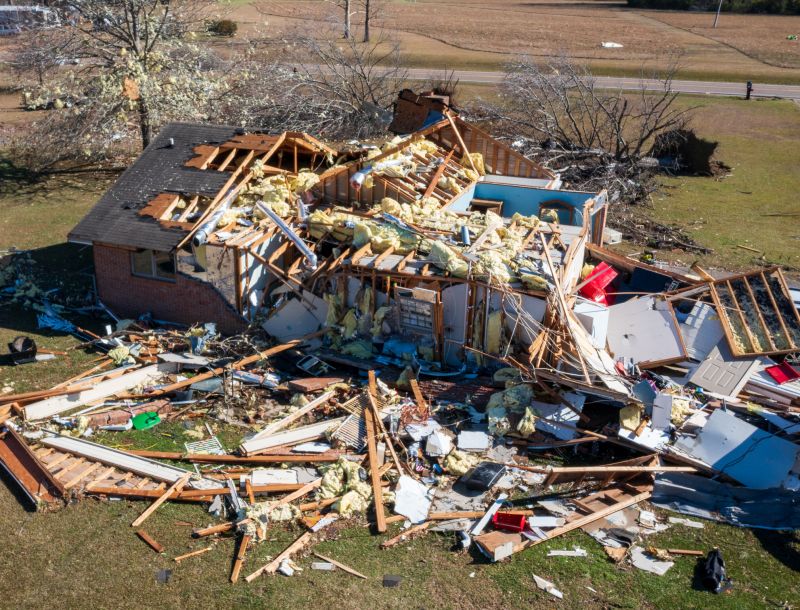
Storm remediation services address the cleanup and repair needs that arise after severe weather events, such as hurricanes, heavy rainstorms, or strong winds. These projects often include removing debris, addressing water intrusion, repairing roof and siding damage, and restoring the structural integrity of affected properties. Homeowners typically want to understand the scope of work involved, the types of damages covered, and the best ways to prevent future storm-related issues to protect their homes and belongings.
Before requesting storm remediation, property owners usually seek clarity on the process involved, including assessment procedures and the types of repairs that may be necessary. It’s important to understand any potential disruptions to daily life during cleanup and restoration, as well as the expected outcomes for property safety and stability. Having a clear idea of what to expect can help homeowners make informed decisions about restoring their property after storm damage.
Many property owners in Wilmington, NC look into Storm Remediation for repairs, replacements, upgrades, and appearance-related improvements.
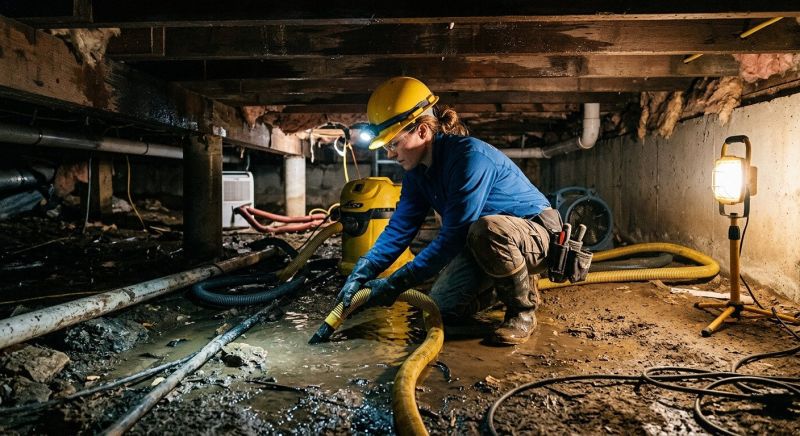
Storm Damage Assessment
Evaluating property to identify areas affected by storm-related issues and necessary repairs.
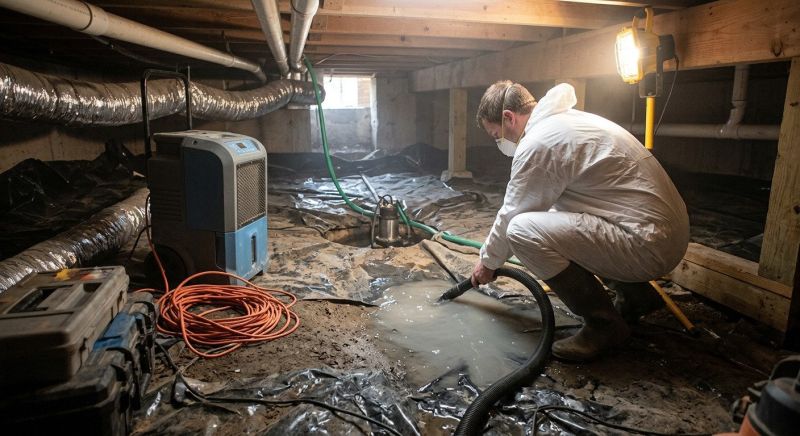
Water Damage Restoration
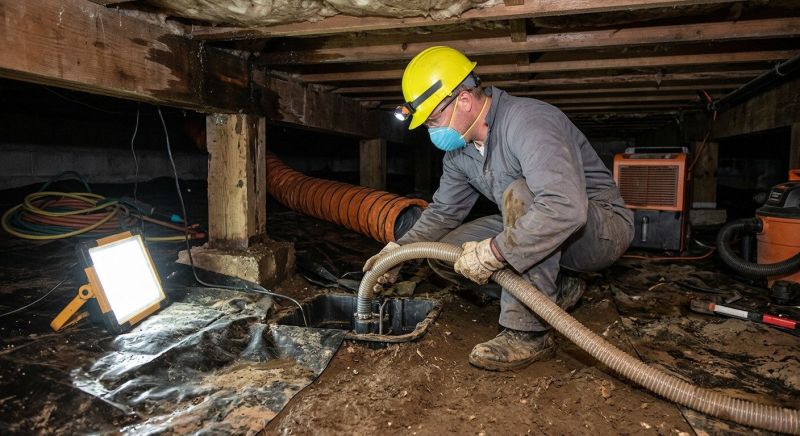
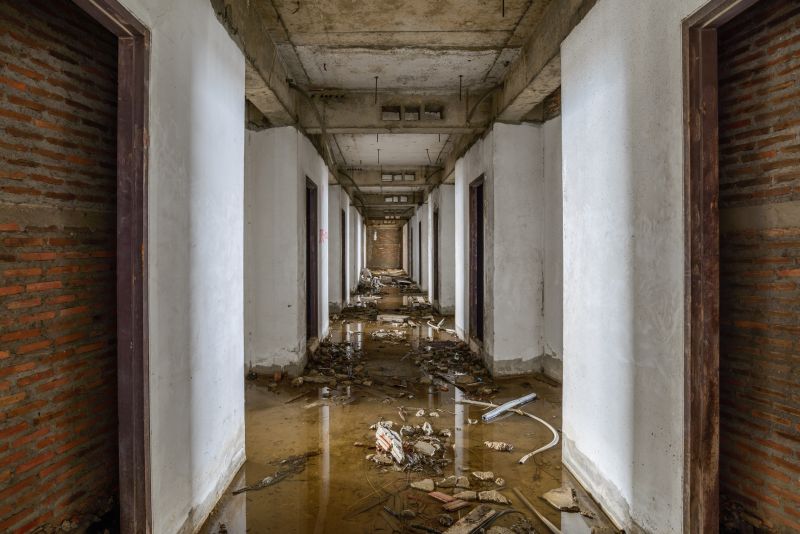
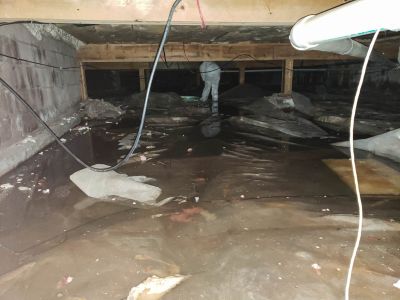
Removing excess water and drying out affected structures to prevent further deterioration.
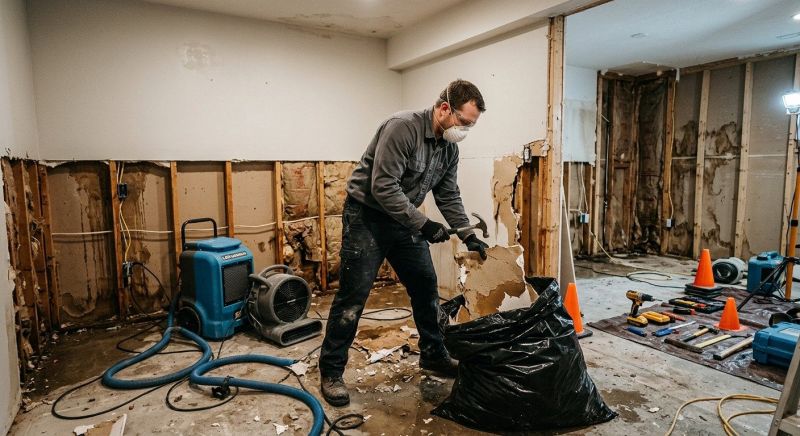
Structural Repair & Reinforcement
Restoring and strengthening damaged roofs, walls, and foundations to ensure safety and stability.
Storm Remediation in Wilmington, NC
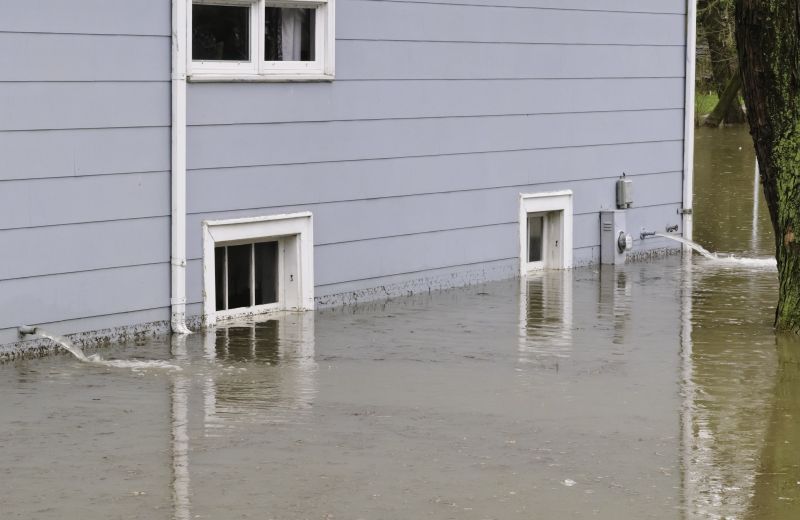
Storm remediation services address the cleanup and repair needs that arise after severe weather events, such as hurricanes, heavy rainstorms, or strong winds. These projects often include removing debris, addressing water intrusion, repairing roof and siding damage, and restoring the structural integrity of affected properties. Homeowners typically want to understand the scope of work involved, the types of damages covered, and the best ways to prevent future storm-related issues to protect their homes and belongings.
Before requesting storm remediation, property owners usually seek clarity on the process involved, including assessment procedures and the types of repairs that may be necessary. It’s important to understand any potential disruptions to daily life during cleanup and restoration, as well as the expected outcomes for property safety and stability. Having a clear idea of what to expect can help homeowners make informed decisions about restoring their property after storm damage.
Many property owners in Wilmington, NC look into Storm Remediation for repairs, replacements, upgrades, and appearance-related improvements.
Common Storm Remediation Jobs
Stormwater drainage system repairs help prevent flooding and water damage around the property.
Debris removal services clear clogged gutters and drainage pathways after storms.
Soil stabilization and erosion control protect landscaping and foundations from storm-related runoff.
Flood barrier installation provides added protection against rising water levels during severe weather events.
Sump pump installation and maintenance help manage excess water and reduce basement flooding risks.
Drainage system inspections identify vulnerabilities and ensure proper water flow during storms.
Storm Remediation Questions
What types of storm damage require remediation? Storm remediation addresses issues like roof leaks, water intrusion, fallen debris, and structural damage caused by severe weather events.
How can storm damage affect property value? Unaddressed storm damage can lead to further deterioration, reducing property value and increasing repair costs over time.
What are common signs of storm-related damage? Signs include missing shingles, water stains, cracked walls, and debris buildup around the property.
Why is prompt storm remediation important? Timely repairs help prevent further damage, mold growth, and costly repairs in the future.
Request Storm Remediation in Wilmington, NC
Use the quote form on this page to share the basics of your project and request more information for the type of work you need.